
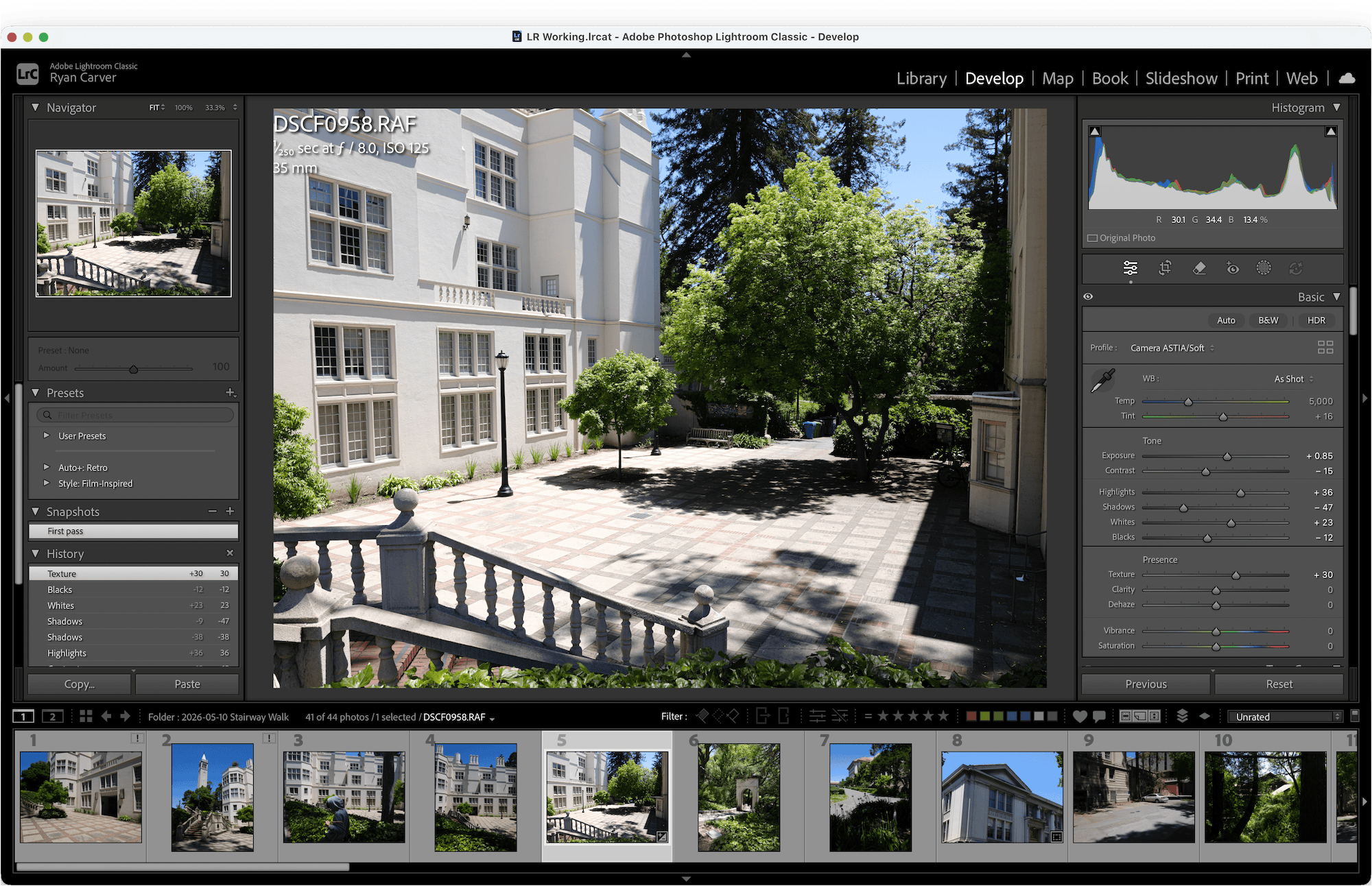
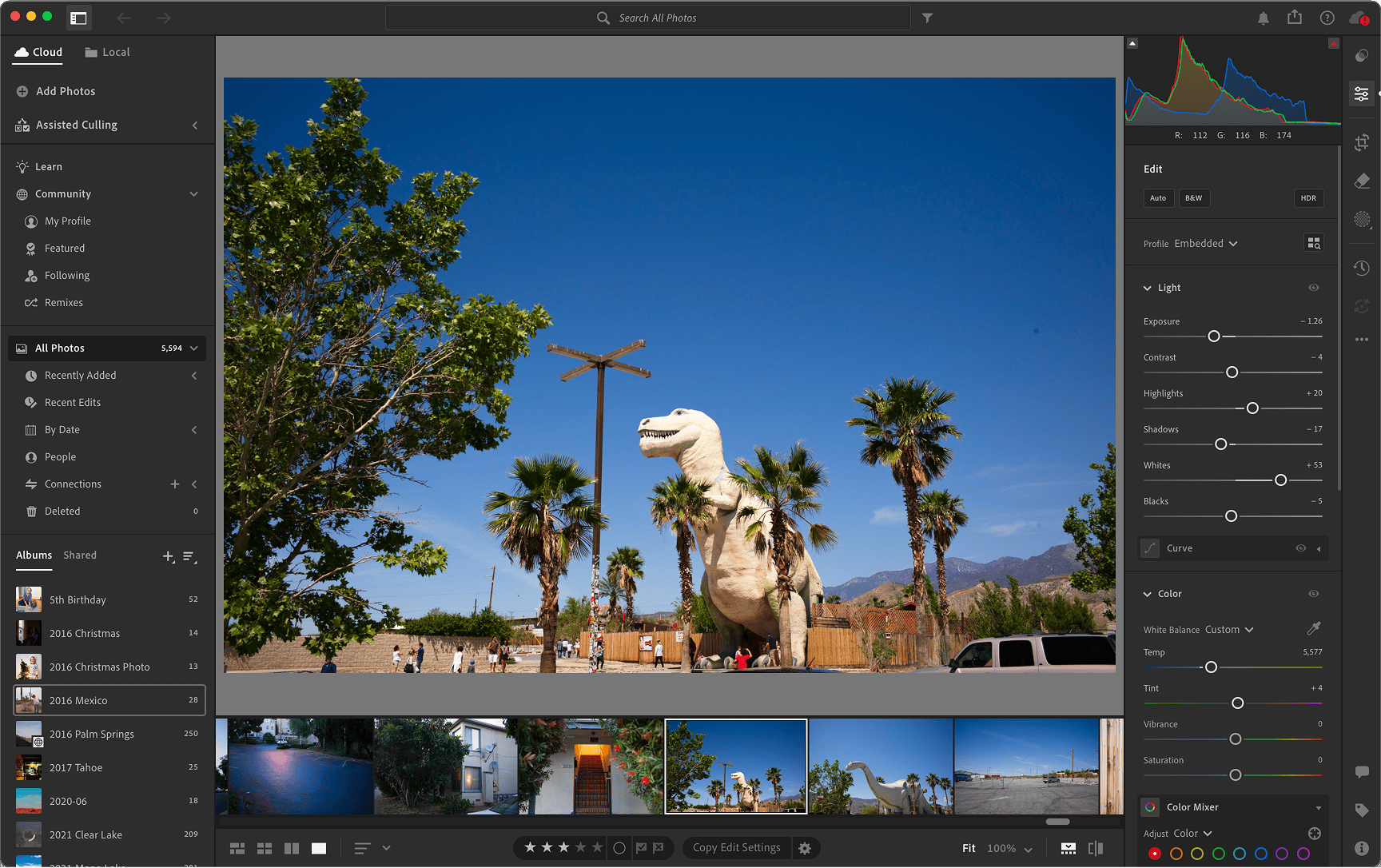
Adobe Lightroom is the app we get compared to the most. It’s the long-standing behemoth of photographic imaging tools, so it’s no surprise. There are similarities: we make a desktop app, cater to RAW shooters, and give you the tools to modify and develop your images to taste.
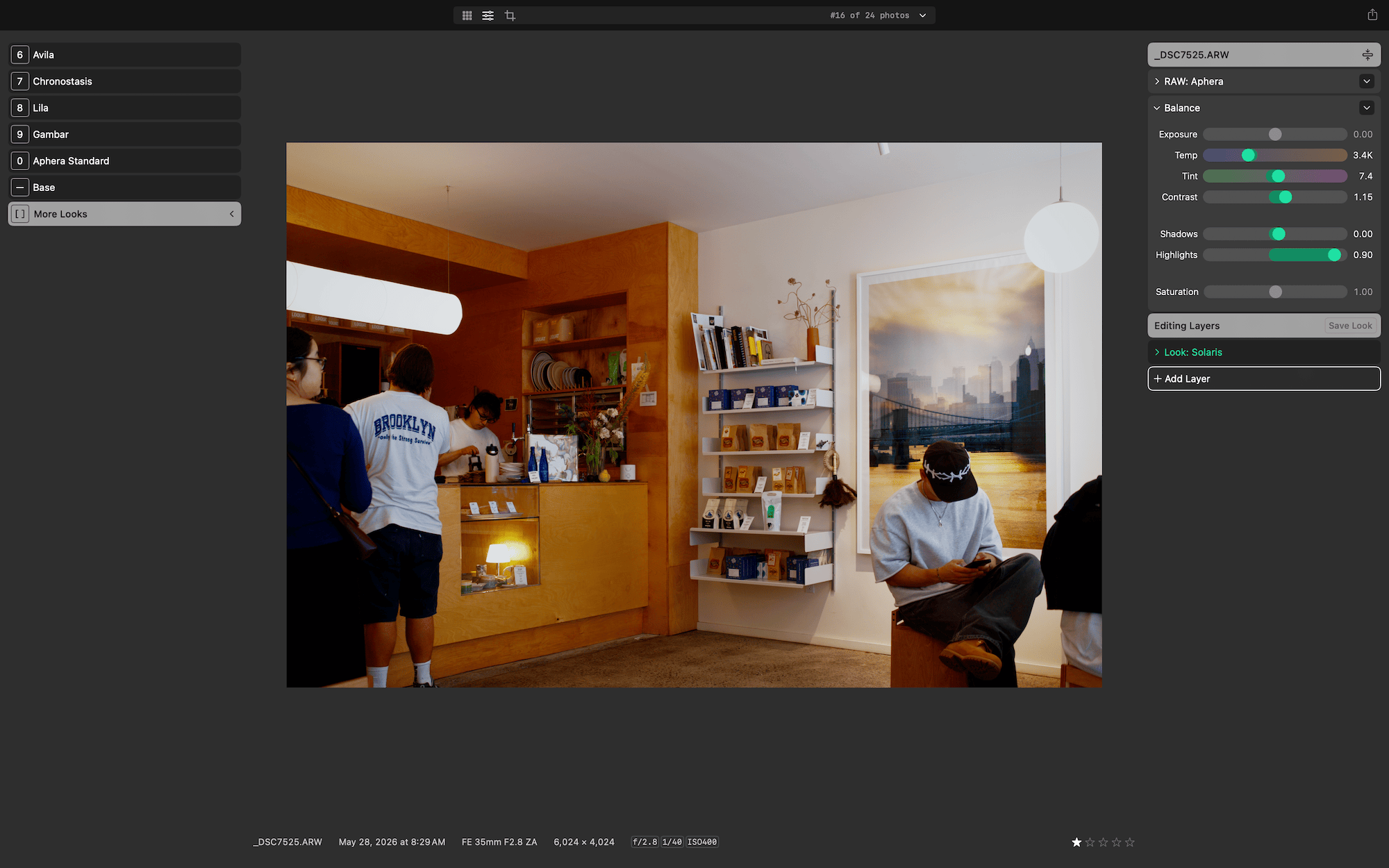
We think that’s where the comparisons end. Aphera is Mac-native, lightning-fast, and employs a keyboard-driven workflow designed to disappear. Its modern image pipeline produces tasty images with little effort. We let you focus on the joy of photography, rather than giving you more work to do.
So yes, we are a Lightroom alternative. We are not a 1:1 Lightroom replacement. Our early users get what we’re trying to do, and one thing is clear: we’re our own thing. The point was never to recreate Lightroom, but to provide a new ground-up approach to work with your prized moments.
This is intentional. We made Aphera for ourselves. The things that drained the pleasure of working with our own images in other apps made us stop doing it. Our biggest complaints: colors that didn’t feel right, monolithic catalogs, constant beach-balling, endless features, and an app bundled into a mega-subscription of other software that we’d never touch. Taken together: no joy. This feels like failure.
Features
If your work requires tools that Aphera doesn’t have yet, then why change? Masking, local edits, and heavy DAM functionality aren’t part of the product yet.
We believe there’s a segment of people using Lightroom (or Capture One, Photomator, etc) that only need what Aphera already provides. For them, the philosophy and user experience we’ve built may resonate better than the endless panels and options, AI-driven tools and tricks, and feature bloat that many other apps keep piling on. If that sounds like you, download and try Aphera for free.
Kinship
I’m keen to think of certain companies who’ve made products that I think are spiritual compadres: Teenage Engineering and Apple.
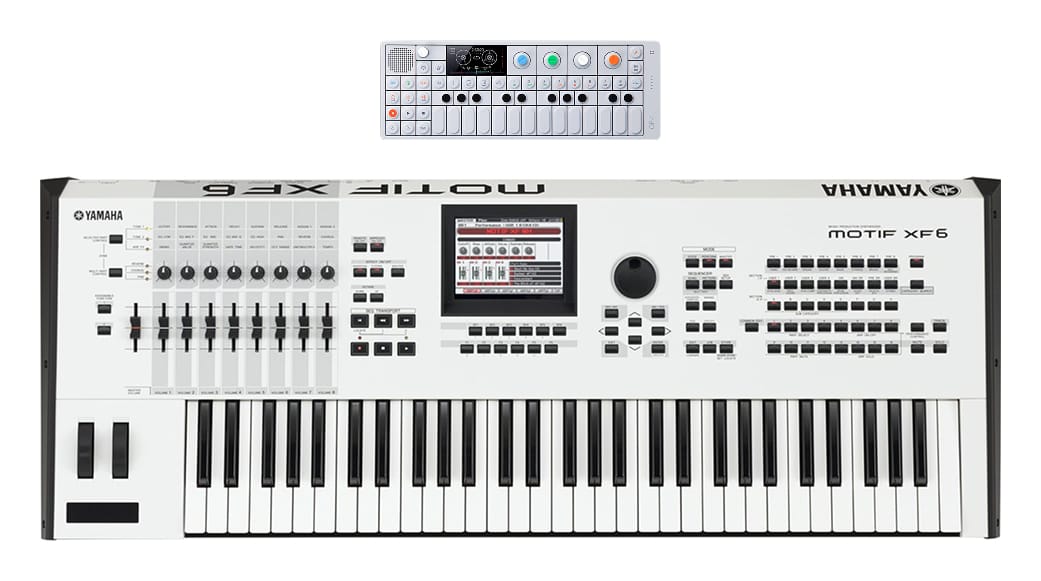
Teenage Engineering doesn’t make most powerful synths or electronic music-making instruments, but it makes the best-designed and delightful tools to do so. They innovated with their flagship OP-1 by combining multiple pieces of the electronic musician’s instruments into a singular package, and a tiny and portable one that looks like a Dieter Rams fever dream. Sure, you could buy a Roland, KORG, BOSS, Yamaha, or other large brand for much less. That isn’t the point. The point is that Teenage Engineering pioneered a unique point of view on instruments for the modern musician: one that values an integrated system, portability, and speed. And that makes it enough for people to consider them the best.
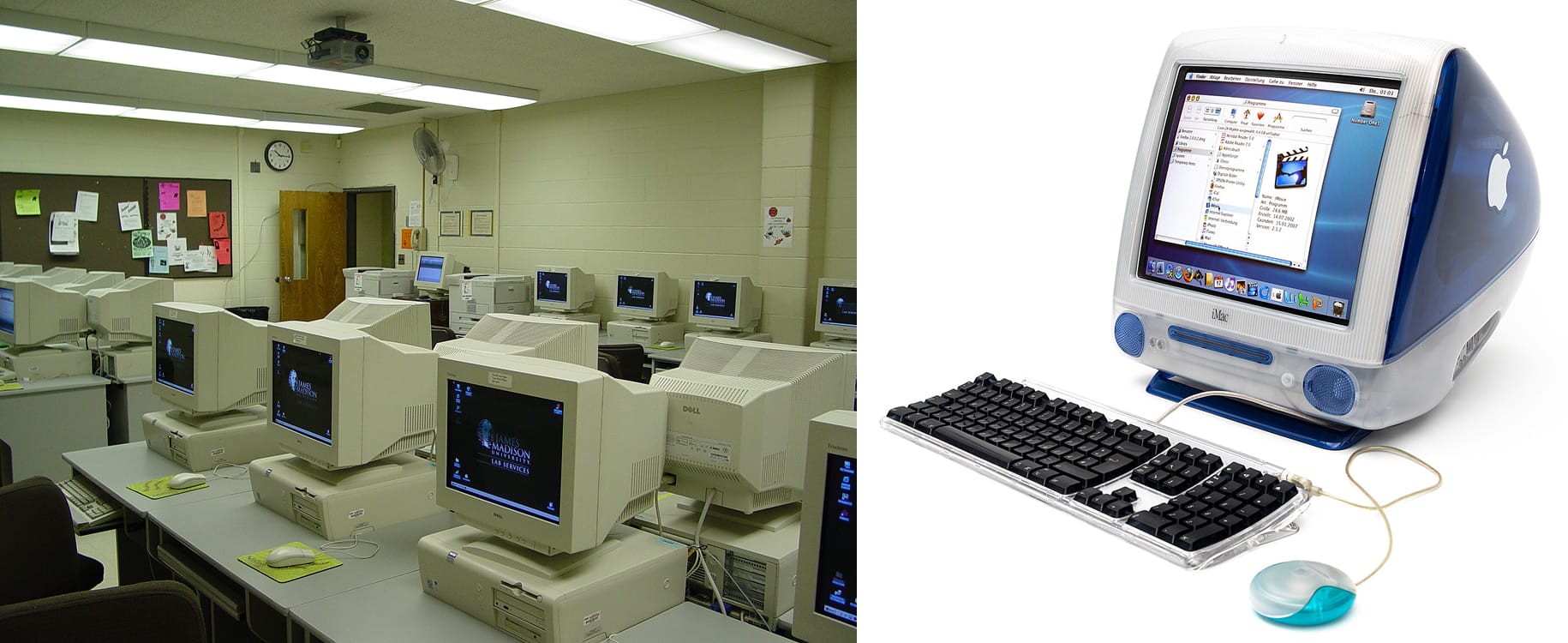
Two decades ago, I’d argue Apple was similar. It made the best creative computers, not the best computers. They were machines that felt like the future, and even fun. Not boring beige boxes that lined the computer labs of my university youth. When the iMac G3 was released with its candy-like hardware, you wanted one. And if you knew anyone that owned one of these, you started to look at them differently. They were creative. Apple realized that it’s not only how it works, but how it looks and feels. Any tool that you use may be judged purely on utility, but a tool that makes you want to pick it up every day should have a form of beauty in it, picking up its own cultural look and desirability.

.jpg)
Aphera is imbued with that spirit, combining a number of new and novel ways to speedily interact with your images, get them into a great state with ease, make it easy to go deeper when needed, and move onto sharing them.
When you open Aphera, we want you to be excited to make things. On that, we’ll compete with the big apps any day.