
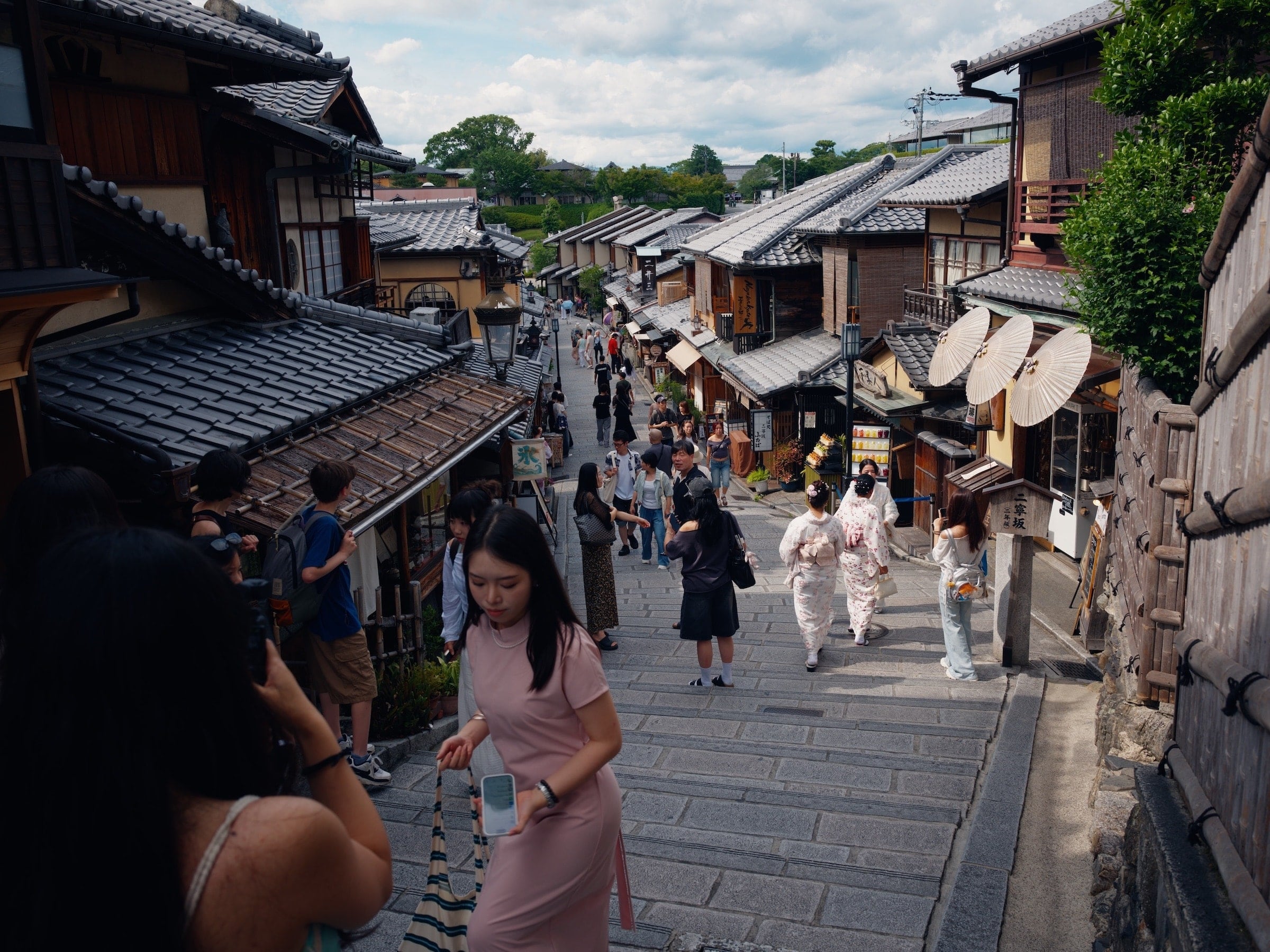
There’s a lot to say about Aphera’s image pipeline, and our approach to photo editing in general. The more interesting place to start isn’t how the pipeline works, but why we made the choices we did. And that starts with a question that took me years to answer.
Is the goal of a photograph to represent reality?
For me, the answer is no. The goal is to recreate the feeling that reality gave you.
I didn’t understand this as a kid. I’d scribble something, and call it an elephant. My parents could see it — like spotting pictures in clouds — they recognized the shapes and colors. As I got older, I wanted to draw realistically: black and white, technical, precise. But those drawings felt dry. Technically correct and emotionally empty.
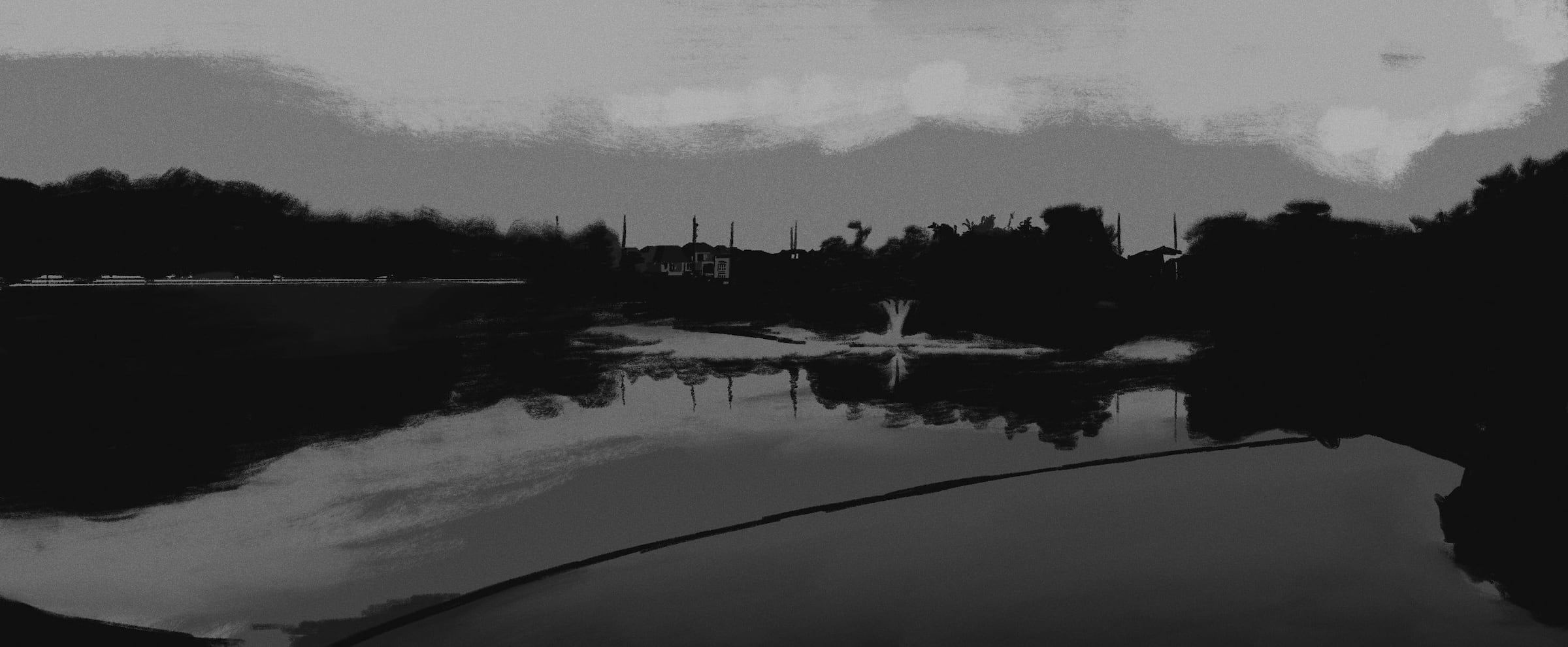
It wasn’t until I made little comics with my cousin that it clicked. His drawings were rougher, less realistic, but they felt like something. He didn’t worry about accuracy. He cared about conveying a mood. That’s when I understood: the goal was never to recreate reality. It was to make people feel what I felt.
This explains something that confuses a lot of people: photography isn’t closer to reality than painting. Cameras are appealing because they seem objective, with less human bias. But photography, whether film or digital, is still a medium with limits. We can’t send signals straight to the brain. All we can do is make an image evoke the right feeling.
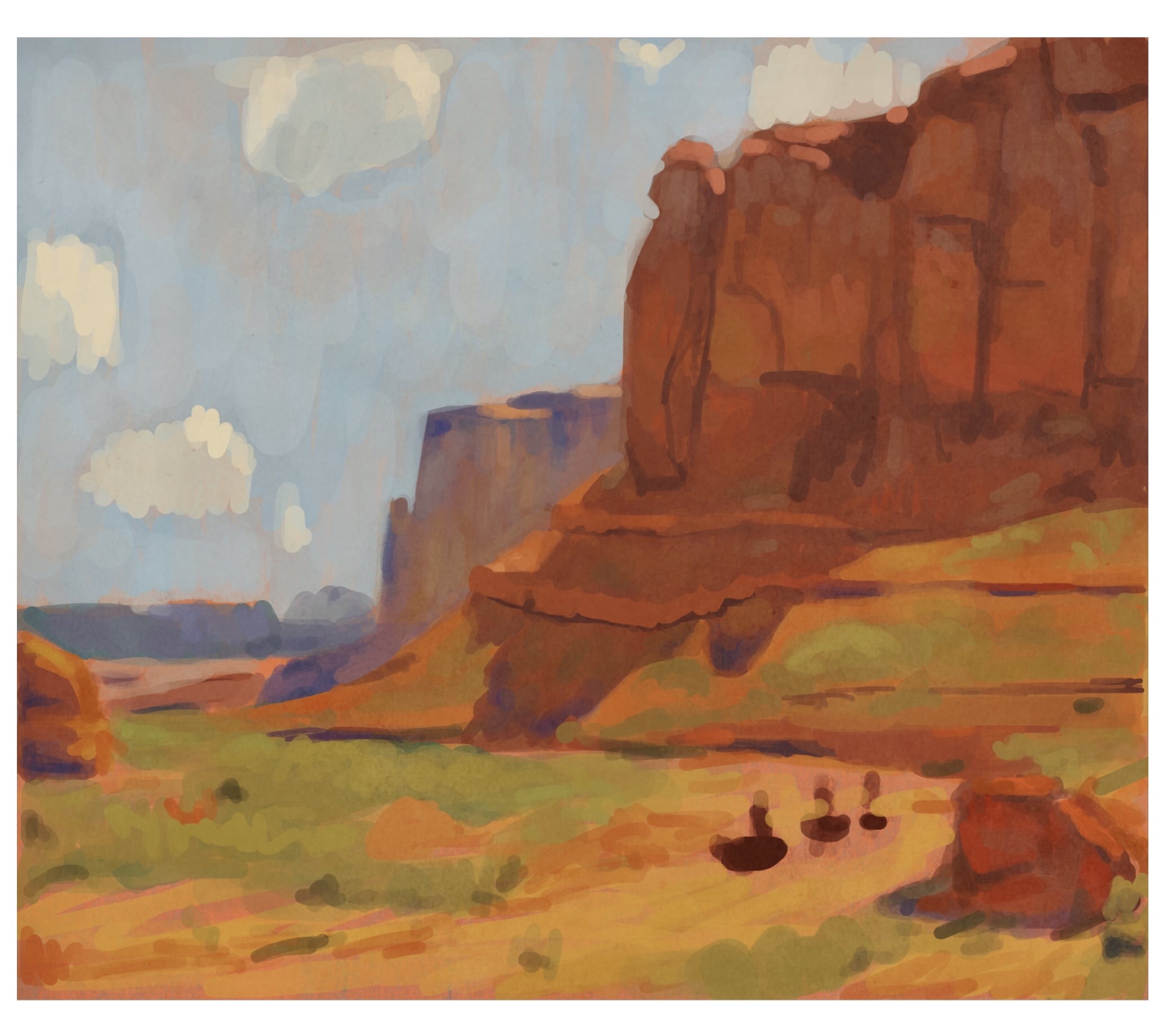
Our eyes aren’t very good cameras anyway. The brain does an enormous amount of work to improve the signal — what we call qualia, the feeling we actually perceive. That’s different from what’s objectively real. Painters and photographers do the same thing: they use 2D shapes and colors to create a feeling. It’s not the details that matter, but the clarity, and how the parts interact, not the parts themselves.
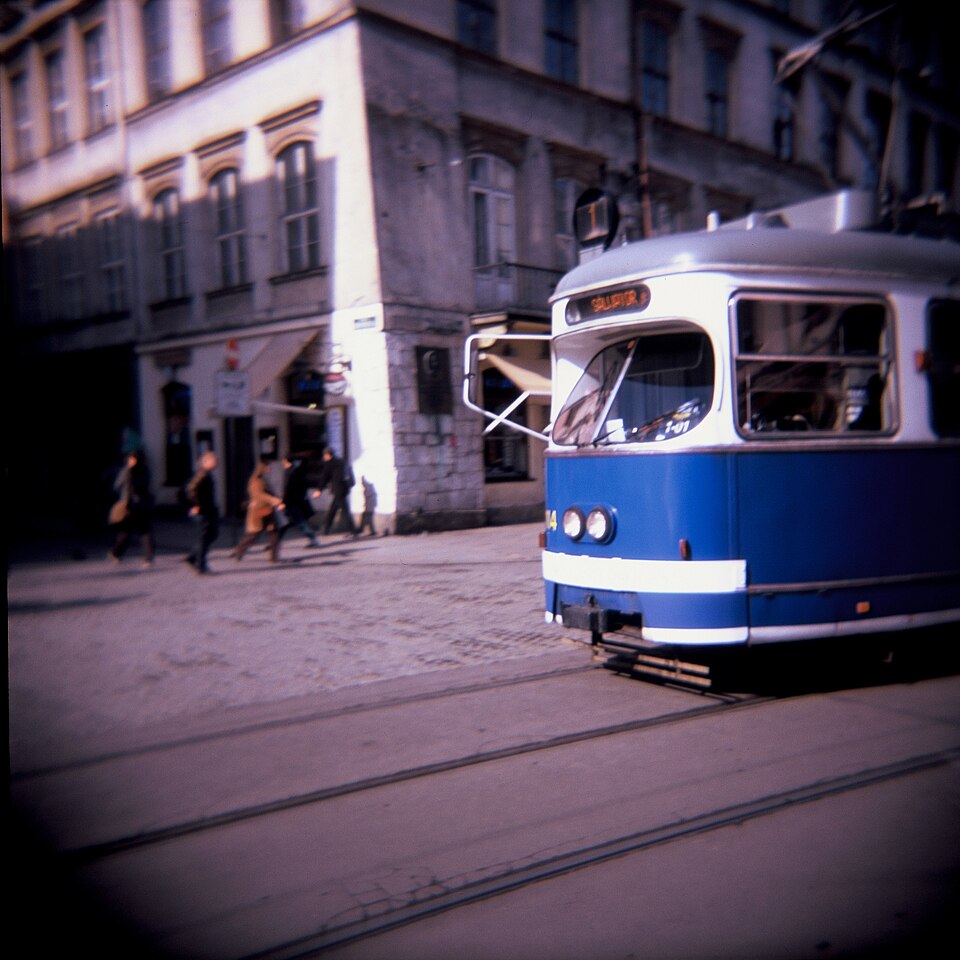
You can see this play out across photography’s history: black and white to color to digital to HDR. At each step we added tools to make images “more realistic.” Ironically we look back at the best images of the previous generation and most of us prefer them, even though they’re “less accurate” by today’s standards. Early color film was far from reality with high contrast and heavy saturation. Engineers worked for decades to make it more accurate. Viewers kept preferring the less accurate look. We are chasing feeling, not accuracy.
.jpg)
With film, chemists made deliberate choices over decades. Kodak rendered differently than Fujifilm, and people chose a stock for the look. Digital could have done the same. Instead we got the opposite: more options, less constraint. Every knob became available to turn, accompanied by a constant hunt for “what’s real?”
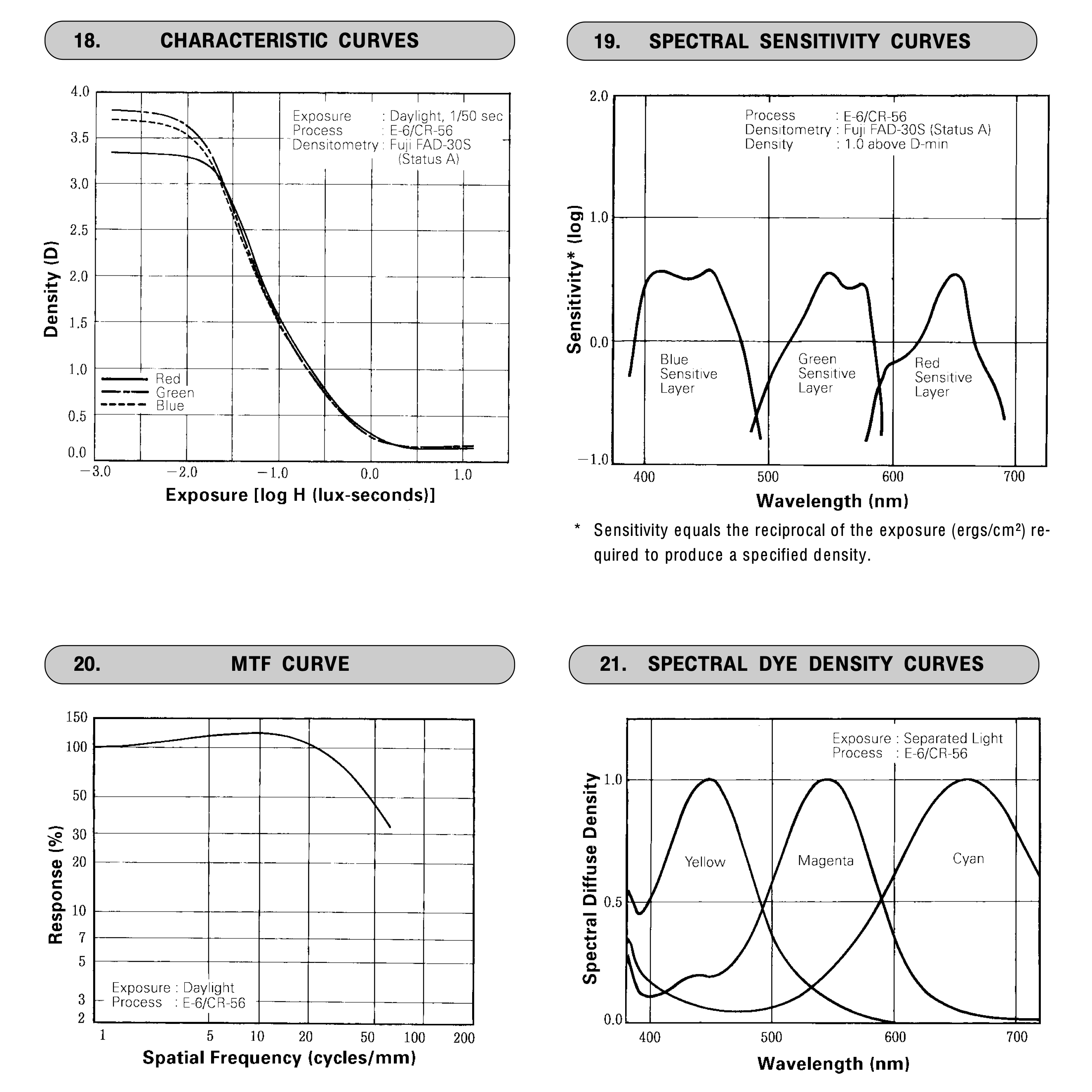
The irony is that limitations increase creativity. When you have one film stock, you learn to work with it instead of fighting it. You make creative decisions within those boundaries. With infinite digital options, we reach for more controls instead of understanding what we already have.
Why this matters for Aphera
With Aphera 2499 (the core of our imaging pipeline), the goal was never to recreate reality. It was to give you a good starting point, a good image. A good image isn’t objective, so the choices and controls matter — but not infinite control. Aphera 2499 gives you just enough control with guardrails that keep the image within the realm of a photograph. But you’re not limited to our tastes: LUT-based image formation lets you bring in your own rendering choices that work within the system.
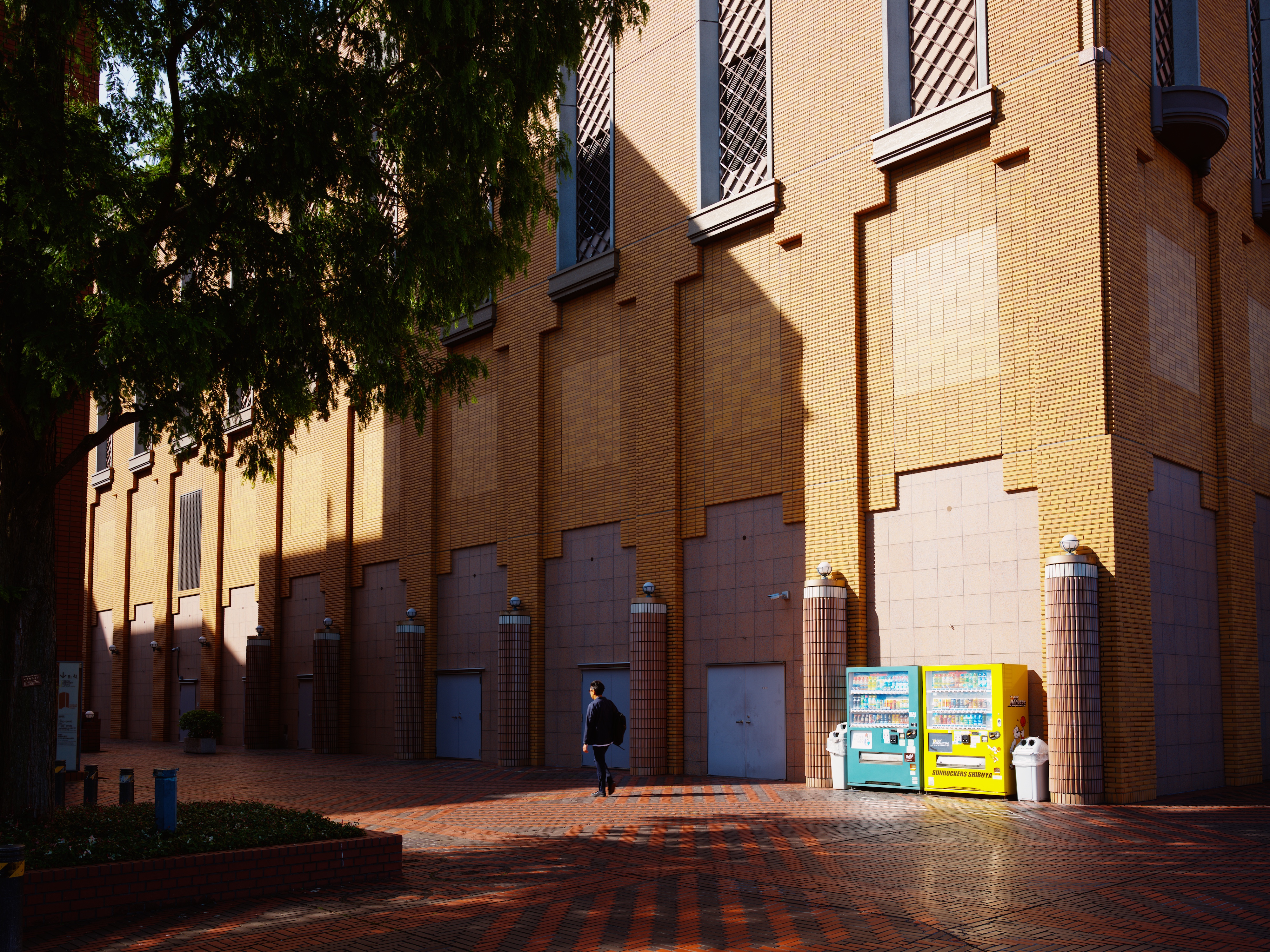
Every part of the imaging process shapes the final feeling. We’ve poured everything we know about photography into Aphera’s pipeline, image formation, and looks. When those tools are well considered, they work naturally across most images without constant tweaking. You shoot. You learn the tool’s limits. You work within them. Later, you explore.
There’s a time for tweaking and a time for just shooting. Learn from the boundaries instead of fighting them. That’s where the real creativity happens.